Column · @andersoncbey002
The Dental Implants Process in Calabasas CA Explained
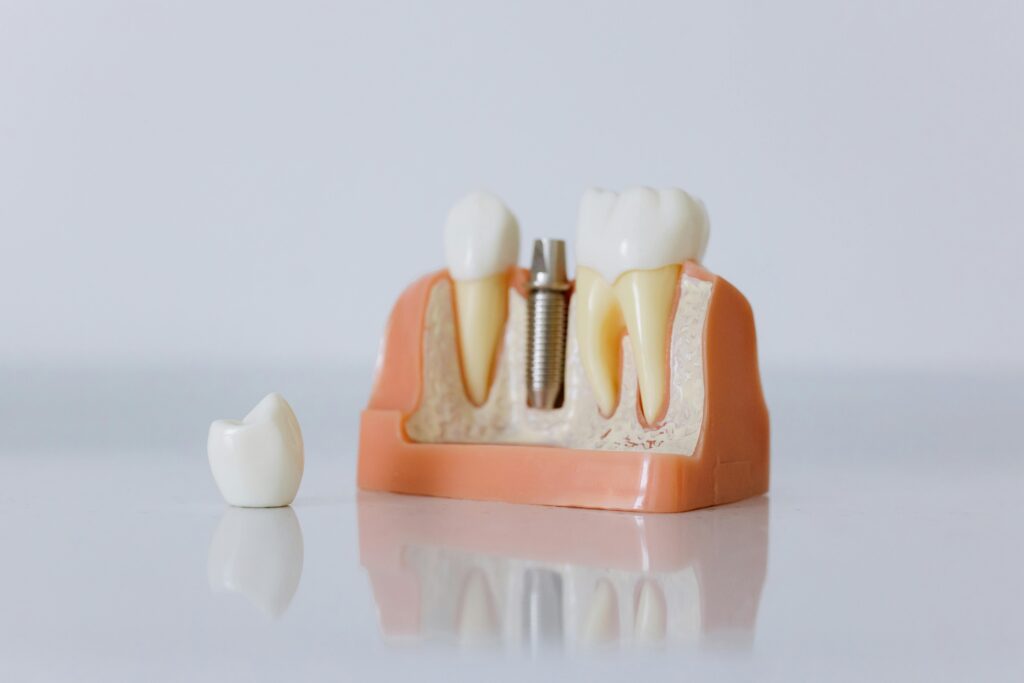
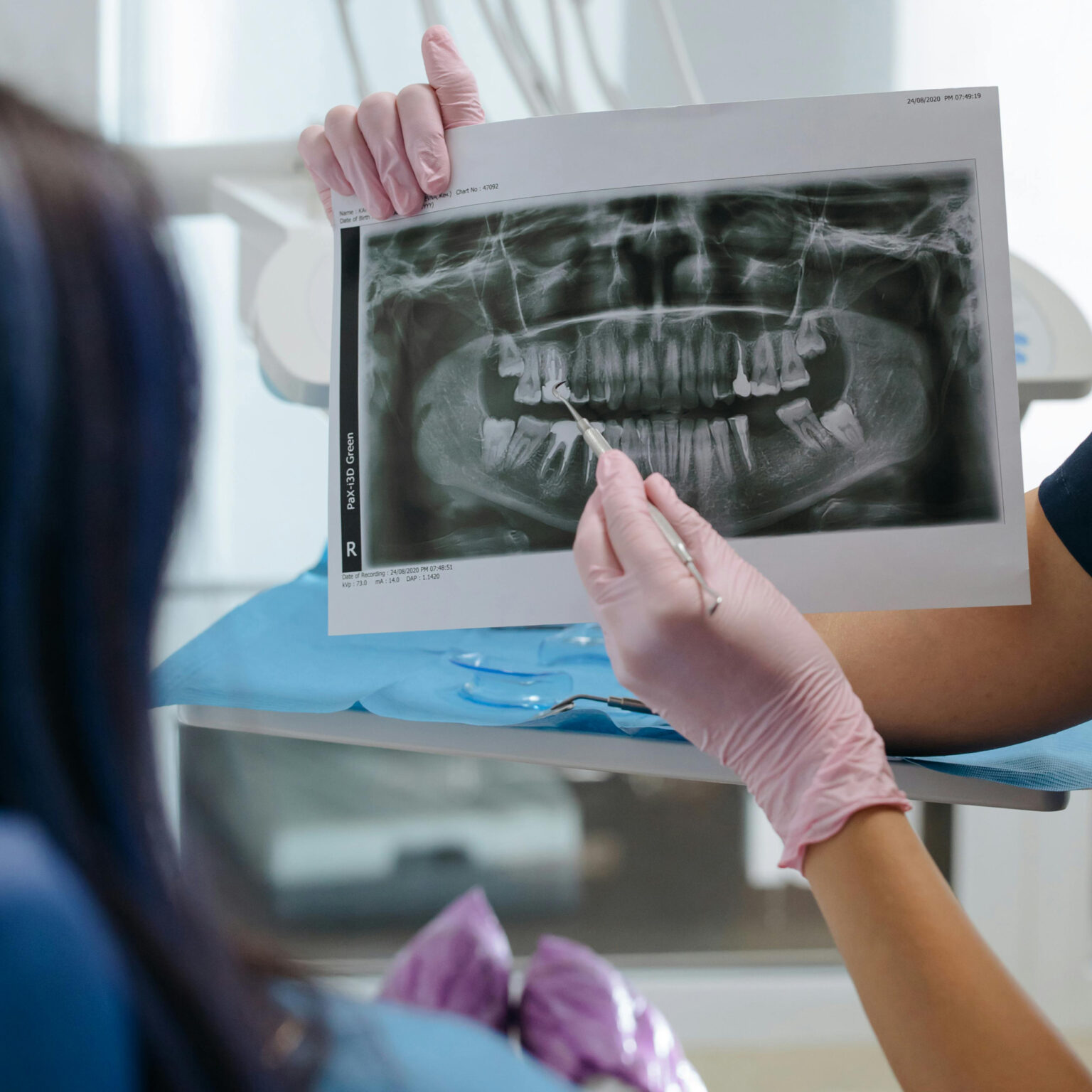
Losing a tooth changes more than a smile. It alters how people chew, how clearly they speak, and often how confident they feel in everyday conversations. I have seen patients put off treatment for years because they assumed implants would be too complicated, too painful, or too expensive to justify. Then, once they finally sit down and talk through the process step by step, the picture becomes much clearer. Dental implants are not magic, and they are not right for every situation, but they are one of the most reliable ways to replace missing teeth when planned carefully.
For patients researching Dental Implants Calabasas CA, the first thing to understand is that the process is usually deliberate rather than fast. Good implant treatment depends on diagnosis, bone quality, bite forces, healing time, and a restoration that fits the rest of the mouth. The strongest results come from patience and precision, not shortcuts.
What a dental implant actually is
A dental implant is a small post, usually made from titanium or a titanium alloy, that is placed into the jawbone where a tooth root used to be. Over time, the bone heals around it in a process called osseointegration. Once the implant becomes stable, it can support a crown, a bridge, or in some cases a full denture.
That definition sounds simple, but the real value of an implant comes from how it behaves in the mouth. A traditional bridge often relies on neighboring teeth for support. A removable partial can restore appearance and some function, but it may shift or feel bulky. An implant stands independently, which means it can replace a missing tooth without grinding down the teeth next to it. For many patients, that difference matters just as much as the cosmetic result.
In practical terms, a well-placed implant can feel surprisingly close to a natural tooth when biting and chewing. It will not decay like enamel, but it can still fail if the surrounding gum and bone are neglected. That point is important because some patients hear the word “implant” and assume it is maintenance-free. It is not. It is durable, but it still needs daily care and regular checkups.
Why the planning stage matters so much
The process begins long before the implant itself is placed. A thorough evaluation sets the tone for everything that follows. In a high quality implant workup, the dentist is not just looking at the empty space. They are studying the surrounding teeth, the condition of the gums, the patient’s bite, medical history, medications, and the amount of available bone.
Three-dimensional imaging, often with a cone beam CT scan, has become especially useful because it shows bone height, width, density, and the location of important structures like the sinus or the mandibular nerve. That is where planning moves from guesswork to precision. A standard two-dimensional x-ray can tell part of the story. A 3D scan tells much more.
This stage is also where honest discussions happen. If a patient clenches heavily at night, that changes the design of the restoration. If they smoke, healing risk rises. If they have uncontrolled diabetes or active periodontal disease, those issues may need to be stabilized first. The best implant consultations are not sales pitches. They are risk assessments.
One common misconception is that anyone missing a tooth can have an implant immediately. Sometimes that is true. Sometimes it is not. If a tooth has been missing for a long time, the bone may have thinned significantly. If there is an active infection, the site may need time to heal before placement. If the front teeth are involved, aesthetics become more demanding because even a millimeter of gum recession can affect the final appearance.
Who tends to be a good candidate
Most healthy adults can at least be evaluated for implants, but candidacy depends on several factors working together.
- Adequate jawbone to support the implant, or the ability to rebuild the area with grafting
- Healthy gums, or gum disease that can be treated and stabilized first
- Good oral hygiene habits and commitment to long-term maintenance
- Reasonably controlled medical conditions, especially those that affect healing
- Bite forces that can be managed with proper planning and, when needed, a night guard
Patients are often relieved to hear that not being a perfect candidate on day one does not automatically rule them out. Bone can sometimes be grafted. Gum disease can often be treated. A poorly fitting denture can be replaced with an implant-supported option once the foundation is improved. The key is matching the treatment to the biology of the case rather than forcing the same solution on everyone.
The first major decision, one tooth, several teeth, or full arch
The implant process looks different depending on how many teeth are missing. Replacing one back molar is a very different project from rebuilding an entire arch.
For a single missing tooth, the treatment may involve one implant, one abutment, and one crown. This is the version most patients picture when they first hear about implants. It is often straightforward if the surrounding gum and bone are healthy.
For multiple missing teeth, the dentist may use several implants to support a bridge rather than placing an implant for every absent tooth. That approach can reduce cost and surgery while still providing a fixed restoration.
For full arch cases, implants can anchor a denture or support a fixed full-arch bridge. These cases require more planning and more discussion about expectations, speech, cleaning, and maintenance. They can be life-changing, especially for patients who have struggled with lower dentures that slip, but they are not casual treatments. Long-term success depends heavily on design, home care, and routine professional follow-up.
Tooth removal and immediate placement, when it works and when it does not
One of the most common questions is whether a failing tooth can be removed and replaced with an implant the same day. Sometimes yes. Immediate implant placement can be a smart option in the right case. It may reduce treatment time and help preserve the natural contour of bone and gum tissue, especially in visible areas.
Still, this is not automatically the best route. The quality of the bone matters. So does the reason the tooth is being removed. If there is a large infection, significant bone loss, or inadequate stability for the implant at the time of extraction, a delayed approach is often safer. Experienced clinicians know when immediate placement offers a real benefit and when it simply adds risk.
In the front of the mouth, timing gets even more delicate. Patients understandably focus on not having a visible gap. Temporary solutions can often be arranged, but the top priority is protecting the long-term result. Rushing the site to satisfy a short-term cosmetic concern can create more visible problems later.
Bone grafting is common, and it is not a failure
Patients often feel discouraged when they hear they may need a bone graft. They interpret it as bad news or assume it means something went wrong. In reality, bone grafting is a routine part of implant dentistry and often reflects careful planning rather than a complication.
When a tooth is lost, the surrounding bone begins to resorb because it is no longer stimulated by a root. The longer the space remains empty, the more the ridge can flatten or shrink. A graft helps rebuild volume so the implant can be placed in a healthier, more stable position.
There are different grafting methods depending on the site. Socket preservation may be performed right after a tooth extraction to help maintain the ridge. A ridge augmentation may rebuild a narrow area months or years later. In the upper back jaw, a sinus lift may be needed if the sinus floor has dropped and reduced available bone height.
Healing time after grafting varies. Some sites are ready sooner, while more extensive procedures need several months. That Dental Implants Calabasas CA waiting period can feel frustrating, but it often makes the difference between a compromised implant and one placed in a far stronger foundation.
The surgery itself, what most patients actually experience
Implant surgery tends to sound more intimidating than it feels. In many straightforward cases, the procedure is done with local anesthetic, much like a filling or extraction. Some patients also choose oral sedation or another form of sedation based on their comfort level and the complexity of treatment.
During the appointment, the dentist or surgeon opens the gum if needed, prepares the bone site carefully, and places the implant at a specific depth and angle. In some cases, a healing cap is attached right away. In others, the implant is covered and allowed to heal beneath the gum.
The procedure for a single implant may be shorter than patients expect. The soreness afterward is often described as manageable, frequently less dramatic than a difficult tooth extraction. That said, the experience varies. A healthy single-site implant in dense bone is not the same as multiple implants with grafting. Patients do best when they go in with realistic expectations rather than assuming every case feels identical.
Swelling, tenderness, and a few days of dietary modifications are common. Severe pain is not. If discomfort escalates instead of improving, the office should be contacted promptly. Good post-operative instructions make a real difference in the first week.
The healing period is where the real work happens
Once the implant is placed, the body takes over. Osseointegration is not visible from the outside, but it is the core of the process. Bone cells gradually form a secure interface around the implant surface, creating the stability needed for chewing forces later.
Healing can take a few months, often somewhere around three to six months depending on the location, bone quality, whether grafting was performed, and the patient’s overall health. The lower jaw often heals a bit faster than the upper because the bone is typically denser, though individual cases vary.
This part of treatment can test a patient’s patience. They may feel fine after a week and wonder why the final tooth cannot be placed immediately. The answer is simple. Feeling better is not the same as being fully integrated. A rushed restoration on a not-yet-stable implant risks failure, and that is not a gamble worth taking.
Temporary teeth may be worn during healing, but they need to be designed carefully to avoid harmful pressure on the implant site. This is especially important for implants in the front, where appearance matters but excessive force can jeopardize the result.
Restoring the implant with the final tooth
After integration is confirmed, the restorative phase begins. This is where the implant starts to look and function like a tooth again. An abutment, which is the connector piece, is attached to the implant, and then the final crown, bridge, or denture component is fabricated.
At this stage, details matter. Shade matching for front teeth requires a careful eye. The bite needs to be adjusted so the implant restoration contacts correctly without taking excessive force. The contour where the crown meets the gum should allow the area to be cleaned properly. If the restoration looks good but traps plaque or hits too hard in the bite, problems can develop over time.
Patients are often surprised by how much attention goes into these finishing details. The implant itself may be hidden under the gum, but the visible restoration is what the patient lives with every day. The best result feels balanced, looks natural in the context of the smile, and is easy to maintain.
How long the whole process usually takes
This is one of the most practical questions, and there is no single answer. A simple case with adequate bone may move from consultation to final crown in a few months. A more involved case with extraction, grafting, healing, implant placement, and additional healing may take six to twelve months, sometimes longer.
That range may sound broad, but it reflects reality. Implant treatment is not one appointment. It is a sequence, and each stage depends on what the tissues need. In my experience, patients tolerate the timeline better when they understand it from the start. Uncertainty is usually harder than the waiting itself.
For anyone comparing offices offering Dental Implants Calabasas CA, timeline discussions should be part of the consultation. A fast plan is not always a better plan. What matters is whether the timing matches the condition of the site and the complexity of the case.
Cost, value, and what patients should weigh carefully
Implants are a significant investment. The total cost can include imaging, extractions, grafting, the implant itself, the abutment, and the final restoration. Full-arch treatment can involve much larger figures than a single tooth replacement. Costs vary by geography, materials, complexity, and who performs each phase of care.
The more useful question is not “What is the cheapest implant?” but “What treatment gives me a stable result I can actually maintain?” A low upfront fee can become expensive if it excludes essential steps, uses a poor-quality restoration, or fails to address gum disease and bite problems.
It is also worth comparing an implant to the alternatives honestly. A bridge may cost less initially, but it may require preparation of neighboring teeth. A removable partial may be more budget-friendly, but some patients never adapt comfortably to the movement or bulk. There is no universal answer. The right choice depends on anatomy, goals, habits, and budget.
Risks and complications, spoken about plainly
Every surgical procedure carries risk, and implants are no exception. Infection, delayed healing, implant loosening, gum recession, nerve irritation, sinus involvement, or aesthetic disappointment can occur. Fortunately, major complications are not the norm when cases are diagnosed and executed well, but patients deserve a clear explanation rather than a polished sales version.
Some failures happen early, before the implant fully integrates. Oaks Dental Dental Implants Calabasas CA Others happen years later because of bone loss around the implant, poor home care, smoking, uncontrolled grinding, or neglected maintenance. An implant can last many years, but it is not indestructible.
This is one reason experience matters. Planning a position that looks ideal on a scan but creates cleaning challenges in real life is a mistake. So is ignoring heavy bite forces because the x-ray looks good. Good implant dentistry combines surgical precision with practical foresight.
What recovery at home usually involves
Most patients return to light daily activity quickly, though they may need to avoid strenuous exercise for a short period based on the procedure. Soft foods are usually recommended at first. The first few days tend to be about minimizing swelling, taking medication as directed, and protecting the surgical site.
A sensible recovery routine usually includes:
- Eating soft, non-irritating foods for the first several days
- Avoiding smoking, which interferes with blood flow and healing
- Keeping the mouth clean according to the dentist’s instructions
- Taking prescribed or recommended medications exactly as directed
- Reporting unusual swelling, bleeding, fever, or worsening pain promptly
I often remind patients that “gentle but consistent” is the right mindset. Neglecting the area is not helpful, but aggressive brushing or repeated poking at the site is not helpful either. Most people do well when instructions are simple and specific.
Long-term maintenance is where success is protected
The implant process does not end when the crown is delivered. Long-term maintenance is what protects the investment. Plaque can accumulate around implants just as it does around natural teeth. Inflammation around the implant tissues can progress to bone loss if ignored. This is often discussed under the terms peri-implant mucositis or peri-implantitis, and while not every patient develops these problems, the risk is real.
Patients who keep implants healthy tend to have a few things in common. They brush well, clean between teeth or under implant bridges properly, attend recall visits, and take advice about night guards seriously if they grind. They also come in early if something feels off rather than waiting for a small issue to become a bigger one.
One of the more revealing moments in follow-up care is when a patient says, “It feels so normal I forget it’s an implant.” That is a good sign from a comfort standpoint, but it can lead to complacency. The restoration may feel natural, yet it still needs regular surveillance. Tightening or replacing a worn component early is far easier than managing advanced bone loss later.
Choosing the right provider in Calabasas
Patients looking into Dental Implants Calabasas CA often find themselves comparing websites that all promise beautiful results. Marketing can make offices sound interchangeable, but they are not. Experience with implant planning, surgery, and restoration varies widely. So does the willingness to explain trade-offs candidly.
A good consultation should leave a patient understanding not just the proposed treatment, but why it fits their case. If grafting is recommended, there should be a reason. If another option might work, that should be discussed too. The strongest providers usually communicate in a calm, matter-of-fact way. They do not minimize complexity, and they do not dramatize it either.
Patients should also pay attention to whether the office talks about maintenance from the beginning. Implant success is not only about placement day. It is about designing a restoration that can be cleaned, monitored, and protected over the long haul.
The bigger picture behind the procedure
At its best, implant treatment restores ordinary things people miss more than they expected. Biting into a sandwich without shifting a denture. Smiling in bright sunlight without worrying about a gap. Speaking in a meeting without feeling self-conscious. Those are not minor benefits. They affect daily life in steady, cumulative ways.
The process does require commitment. It may involve scans, healing periods, temporary restorations, grafting, and follow-up visits. It may cost more than a simpler alternative. But for the right patient, a well-planned implant can provide stability and comfort that are hard to match with other treatments.
Anyone considering Dental Implants Calabasas CA should expect a process built around diagnosis, biology, and patience. That is usually the path to the result people actually want, not just a replacement tooth, but a restoration that feels secure, functions well, and stands up to real life.
Oaks Dental
5000 Parkway Calabasas, Suite 308
Calabasas, CA 91302, United States
Phone: +1 (818) 412-8349
FAQ About Dental Implants Calabasas CA
How much does a dental implant cost in California?
Costs vary with the number of teeth replaced, restoration type, imaging, and any extractions or bone grafting. Request an itemized estimate after an examination; a single advertised price may not include every treatment stage.
Can people with autoimmune disease get dental implants?
Some people may qualify, but the condition, medications, oral health, and healing risks require individual assessment. Share your medical history with your dentist, who may coordinate with your treating physician.
Can you have dental implants if you have osteopenia?
Osteopenia does not by itself establish whether implants are suitable. Your dentist must evaluate jawbone support and review bone-related medications and other risks before recommending treatment.