Column · @andersoncbey002
Who Is a Good Candidate for Dental Implants in Calabasas CA?
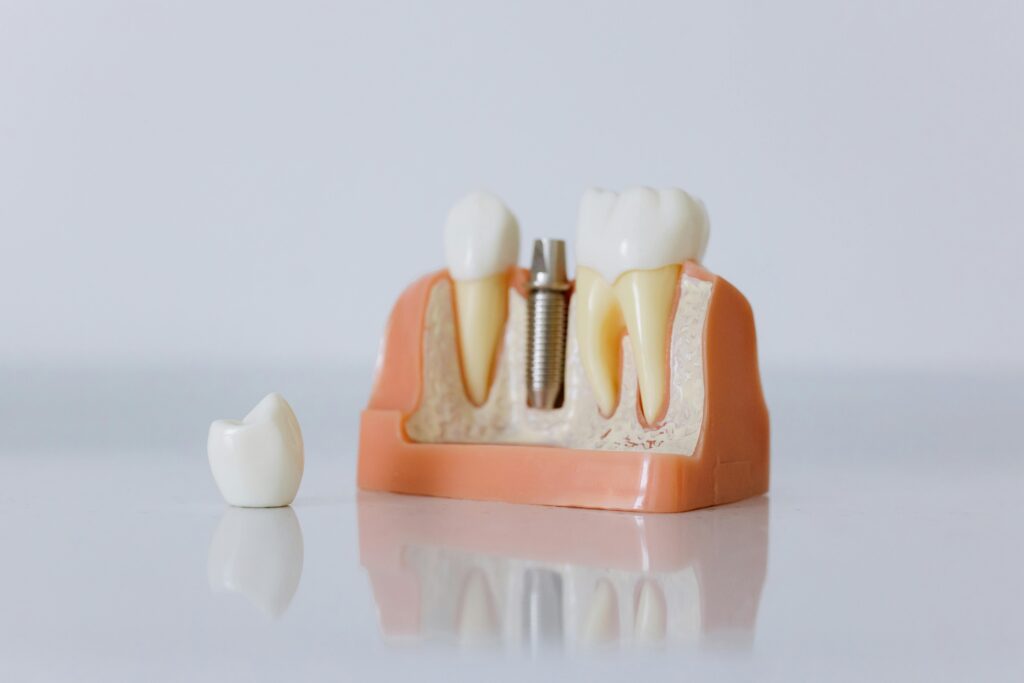
A good dental implant candidate is not simply someone with a missing tooth. In practice, the better question is whether the mouth, the bone, the gums, and the patient’s habits all support long term healing. That is what determines whether an implant becomes a stable, comfortable replacement or a frustrating project with delays and added procedures.
Patients often come in assuming they are either clearly qualified or clearly disqualified. Real life is rarely that neat. Some people have ideal conditions from day one: healthy gums, enough bone, no active infection, and solid home care. Others need groundwork first, such as periodontal treatment, extractions, bone grafting, or a conversation about smoking and blood sugar control. Many still become excellent candidates after those issues are addressed.
If you are researching Dental Implants Calabasas CA, it helps to understand what dentists and specialists actually evaluate. The answer is broader than age, and more nuanced than whether a tooth is missing. A careful exam looks at anatomy, medical history, bite force, gum health, and your willingness to follow through during healing.
What makes someone a strong implant candidate
The best candidates tend to have a combination of local and overall health factors working in their favor. The implant itself is a titanium or ceramic-based replacement root placed in the jawbone. It needs enough healthy bone to stabilize during healing and healthy surrounding tissue to protect it afterward.
A strong candidate usually has one or more missing teeth, or teeth that are not restorable and likely need extraction. The site should be free of active infection, or at least treatable before implant placement. Gum tissue should be reasonably healthy. Daily brushing and flossing habits matter more than many patients expect. Implants do not get cavities, but they can fail from inflammation around the implant if plaque control is poor.
Bone quality and quantity are central. If a tooth has been missing for years, the jawbone often shrinks in that area. That does not automatically rule out treatment. It may simply mean bone grafting is needed first, or that a smaller implant, angled placement, or a different restorative plan makes more sense.
General health also plays a role. Healing after implant surgery depends on circulation, immune response, medication profile, and metabolic stability. Conditions like uncontrolled diabetes, active chemotherapy, severe immune compromise, or heavy tobacco use can increase the risk of delayed healing or implant complications. None of those issues should be reduced to a simplistic yes or no. They require case by case judgment.
In offices that place Dental Implants Calabasas CA, one of the most encouraging things patients hear is this: being a “good candidate” is often a process, not just a label. If the goal is realistic and the treatment plan is staged properly, many people who start out less than ideal can still reach a successful outcome.
Missing teeth are only the starting point
Not every missing tooth needs an implant, and not every failing tooth should be removed quickly. A dentist first has to determine whether preserving the natural tooth is more predictable than replacing it. Sometimes a cracked tooth with deep decay truly has a poor prognosis and extraction is the practical choice. Other times, root canal treatment and a crown are more conservative and equally durable.
Implants are often especially useful when a person wants to replace a single missing tooth without grinding down adjacent healthy teeth for a bridge. They are also useful for several missing teeth in a row, full arch support in selected cases, or improving the fit of a loose denture.
A patient in their forties who lost a molar from an old fracture may be an obvious candidate if the space is healthy and the bite is stable. By contrast, an older patient with multiple worn teeth, clenching habits, and collapsing bite may still be a candidate, but the implant plan has to account for the entire chewing system, not just one empty space. This is where experience matters. Good implant dentistry is restorative planning first, surgery second.
Healthy gums matter more than people realize
One of the most common reasons implants get delayed is untreated gum disease. If the gums bleed easily, pockets are deep, or there is ongoing bone loss from periodontitis, placing an implant too early creates unnecessary risk. The bacteria and inflammation that damage natural teeth can also compromise implant tissue.
This does not mean a history of gum disease automatically disqualifies someone. In fact, many patients with prior periodontal problems still do very well with implants, provided the disease is brought under control and maintenance is taken seriously. The key is stability. Dentists want to see reduced inflammation, improved home care, and regular periodontal monitoring before moving ahead.
A useful way to think about it is simple. An implant is not a shortcut around oral health. It rewards discipline. Patients who commit to maintenance visits and daily plaque control are usually far better candidates than patients with naturally “good teeth” who skip care for years at a time.
Bone volume and bone quality often decide the timeline
Patients are often surprised to learn that bone can be rebuilt, at least to a useful degree. If a tooth has been missing for a long time, the ridge may narrow. If a back upper tooth is missing, the sinus may drift downward and reduce available bone height. If a tooth is extracted because of infection or fracture, the socket may need preservation grafting right away to protect the future implant site.
This is where imaging becomes important. Standard X-rays help, but three dimensional scans often reveal details that change the plan. A site may look acceptable on a basic film and still prove too narrow, too close to a nerve, or too near the sinus on a scan. Conversely, a site that worries the patient may turn out to be entirely manageable.
When dentists evaluate Dental Implants Calabasas CA, bone questions tend to fall into three practical categories: is there enough bone now, can bone be added predictably, and will the final implant be in the right position for the future crown? That last point matters. An implant should not only integrate with the bone. It should support a tooth that looks natural, feels stable, and cleans well.
Some patients need a socket graft after extraction and then implant placement a few months later. Others can have an implant placed immediately after extraction if infection is limited and initial stability is strong. Immediate placement sounds appealing, and in the right case it can shorten treatment, but it is not automatically better. When the anatomy or infection pattern is unfavorable, delaying placement is often the wiser choice.
Age is less important than health and development
There is no single age that defines a good implant candidate. Teenagers and very young adults may need to wait if jaw growth is incomplete. Placing an implant before growth has stabilized can leave it in the wrong position relative to neighboring teeth over time.
At the other end of the spectrum, older adults can be excellent candidates. A healthy person in their seventies or eighties may heal quite well if bone support is sufficient and medications are reviewed carefully. What matters more than age is physiologic status: healing capacity, oral hygiene, gum health, and whether the patient can maintain the restoration.
This becomes especially relevant with implant supported dentures. A patient who struggles with a lower denture often experiences a major quality of life improvement from implant stabilization. Eating, speaking, and confidence can change dramatically. The case still has to be evaluated carefully, but advanced age alone is not a reason to avoid the discussion.
Medical conditions that deserve extra attention
Most common medical conditions do not automatically exclude implant treatment. They simply affect planning. Controlled diabetes is very different from uncontrolled diabetes. A patient with a heart condition who is medically stable and cleared for routine dental care may proceed with appropriate precautions. A patient taking certain bone modifying medications needs a more detailed risk review, especially if there is a history of IV formulations or cancer related treatment.
Smoking remains one of the clearest negative influences. Nicotine reduces blood flow and can interfere with healing, especially in grafted areas or full arch cases. I have seen patients with otherwise ideal anatomy struggle because they continued heavy smoking through the healing period. I have also seen borderline candidates improve their odds significantly by reducing or quitting before surgery.
Teeth grinding is another issue that patients sometimes dismiss. Strong clenching forces can overload implants and restorations, particularly in the back of the mouth or in patients missing several teeth. This does not mean grinders cannot receive implants. It means the bite must be designed carefully, and a night guard may be strongly recommended.
Here are a few factors that usually support candidacy:
- Healthy or treatable gums with no uncontrolled periodontal infection
- Adequate bone, or a realistic path to bone grafting if needed
- Stable general health with medical conditions reasonably controlled
- Consistent home care and willingness to attend follow-up visits
- A bite pattern that can be restored without excessive overload
That list is not a guarantee. It is a practical summary of what tends to make treatment smoother and more predictable.
When someone is not ready yet
Many patients are not poor candidates. They are simply early candidates. That distinction matters.
A person with a broken tooth and active swelling may need extraction and healing before the implant decision is finalized. Someone with advanced gum disease may need scaling, root planing, periodontal maintenance, and time to show stability. Someone who has lost a tooth years ago may need a graft first. A patient with poorly controlled diabetes may need to coordinate with a physician before elective surgery.
There are also patients who are technically eligible but behaviorally not ready. If a person wants an implant but has a pattern of missed appointments, inconsistent hygiene, and no interest in maintenance, the long term risk rises. A responsible clinician should address that honestly. Implants are durable, but they are not maintenance free.
Cost discussions can also affect readiness. Implant treatment often unfolds in phases: consultation, imaging, extraction if needed, grafting, implant placement, healing, abutment, and crown. In larger cases, treatment can extend over many months. Good candidates understand the sequence and can commit to the full plan, not just the surgical appointment.
Single tooth implants, multiple implants, and full arch cases are not judged the same way
Candidacy changes with the scope of treatment. Replacing one missing premolar in a healthy mouth is very different from rebuilding an entire arch in a patient with severe wear and bone loss.
A single tooth case is often the most straightforward. The main questions are site anatomy, gum contour, bite forces, and the health of the adjacent teeth. The implant needs to fit the space and support a crown that matches the rest of the smile.
Several missing teeth introduce more variables. Spacing, bite collapse, opposing teeth, and hygiene access all become more important. Sometimes separate implants make sense. Sometimes a short span bridge supported by implants is better.
Full arch treatment raises the bar even higher. Medical history, bone distribution, facial support, speech, esthetics, parafunction, and maintenance all matter. These cases can be life changing, but they require detailed planning and patient discipline. A person may be a perfectly good candidate for one implant and a poor candidate for immediate full arch loading, at least until other issues are addressed.
The role of imaging and examination
A proper implant consultation should feel more like a comprehensive evaluation than a sales presentation. The dentist will typically review medical history, examine the gums, check the Dental Implants Calabasas CA bite, assess the missing tooth space, and take imaging. If a CBCT scan is recommended, it is usually because two dimensional views do not tell the whole story.
The scan helps identify nerve position in the lower jaw, sinus Dental Implants Calabasas CA anatomy in the upper jaw, hidden infection, root contours of adjacent teeth, and the true width of the bone. It can also reveal surprises, such as bone defects from prior extractions or an implant site that is less favorable than it first appeared.
This planning stage is where good outcomes are built. Patients sometimes focus only on the surgery, but much of the skill lies in choosing the right timing, location, size, and restorative design before the implant is ever placed.
Aesthetic areas require stricter standards
The front teeth deserve special mention. Replacing a front tooth is not just about osseointegration, the bond between implant and bone. It is also about smile line, gum shape, papilla height, and color match. Tiny differences are visible there.
A patient may be a functional candidate for an implant in the front, but not an ideal immediate implant candidate if the gum architecture is thin or the facial bone is damaged. In those cases, staged treatment often produces a stronger cosmetic result. That can involve extraction, grafting, healing, implant placement, and a carefully shaped provisional before the final crown.
This is one area where patience usually pays. Rushing a front tooth implant because speed sounds attractive can compromise the final appearance.
Lifestyle and expectations shape success
Two patients with the same X-rays can have very different outcomes depending on habits and expectations. Someone who expects a same day fix for every case may be disappointed when grafting or staged healing is recommended. Someone who understands the logic behind timing tends to cooperate better and protect the investment.
Diet during healing matters. So does avoiding pressure on a temporary tooth. So does showing up for post op visits. Patients who follow instructions generally have fewer complications, less inflammation, and better long term maintenance.
It also helps to keep expectations realistic. Implants can look and feel remarkably natural, but they are not identical to natural teeth in every way. The gum response is different, the flossing technique may differ slightly, and some cases require contour compromises because of the anatomy left behind after tooth loss.
Questions worth asking at the consultation
A thoughtful consultation goes both ways. The dentist evaluates the patient, and the patient should evaluate the plan. These questions tend to lead to useful answers:
- Is the tooth definitely non-restorable, or are there reasonable alternatives?
- Do I have enough bone now, and if not, what type of graft might be needed?
- What is the expected timeline from extraction or surgery to the final crown?
- How will my medical history, medications, smoking, or clenching affect success?
- What maintenance will this implant require over the next five to ten years?
Those answers often reveal whether the plan is personalized or generic. Personalized plans usually acknowledge trade-offs, such as a longer timeline for better tissue stability or a night guard to protect the final work.
Why local evaluation matters in Calabasas
Patients looking for Dental Implants Calabasas CA often compare offices by cost first. Cost matters, but implant success depends heavily on diagnosis, planning, and follow-through. A low initial fee can stop looking attractive if it leaves out grafting, temporary restorations, or maintenance needs that were foreseeable from the beginning.
Local factors also matter more than they seem. Some patients want a provider close to home because implant treatment can involve multiple visits over several months. That convenience becomes important when the plan includes scans, extractions, surgery, impressions, try-ins, and post placement checks. Accessibility makes it easier to keep appointments and maintain continuity.
A careful local evaluation should consider not just whether an implant can be placed, but whether it should be placed now, later, or as part of a broader restorative plan. That is the kind of judgment that separates technically acceptable treatment from treatment built to last.
The clearest sign of a good candidate
The clearest sign is not perfect bone, perfect health, or perfect gums, though those help. It is a patient whose clinical conditions are either favorable now or can be made favorable with sensible preparation, and who is willing to participate in the process.
That patient may be a healthy adult missing one tooth after an accident. It may be an older adult frustrated by a slipping lower denture. It may be someone with prior gum disease who has now stabilized their oral health and wants a durable replacement. Good candidacy is often less about starting perfect and more about arriving prepared.
When that preparation is there, dental implants can be one of the most reliable and satisfying treatments in modern dentistry. They restore chewing, preserve bone better than leaving a space open, and often let patients stop thinking about the missing tooth every time they eat or smile. The key is choosing the case carefully, addressing the weak points honestly, and building the result on healthy tissue rather than hope alone.
Oaks Dental
5000 Parkway Calabasas, Suite 308
Calabasas, CA 91302, United States
Phone: +1 (818) 412-8349
FAQ About Dental Implants Calabasas CA
How much does a dental implant cost in California?
Costs vary with the number of teeth replaced, restoration type, imaging, and any extractions or bone grafting. Request an itemized estimate after an examination; a single advertised price may not include every treatment stage.
Can people with autoimmune disease get dental implants?
Some people may qualify, but the condition, medications, oral health, and healing risks require individual assessment. Share your medical history with your dentist, who may coordinate with your treating physician.
Can you have dental implants if you have osteopenia?
Osteopenia does not by itself establish whether implants are suitable. Your dentist must evaluate jawbone support and review bone-related medications and other risks before recommending treatment.